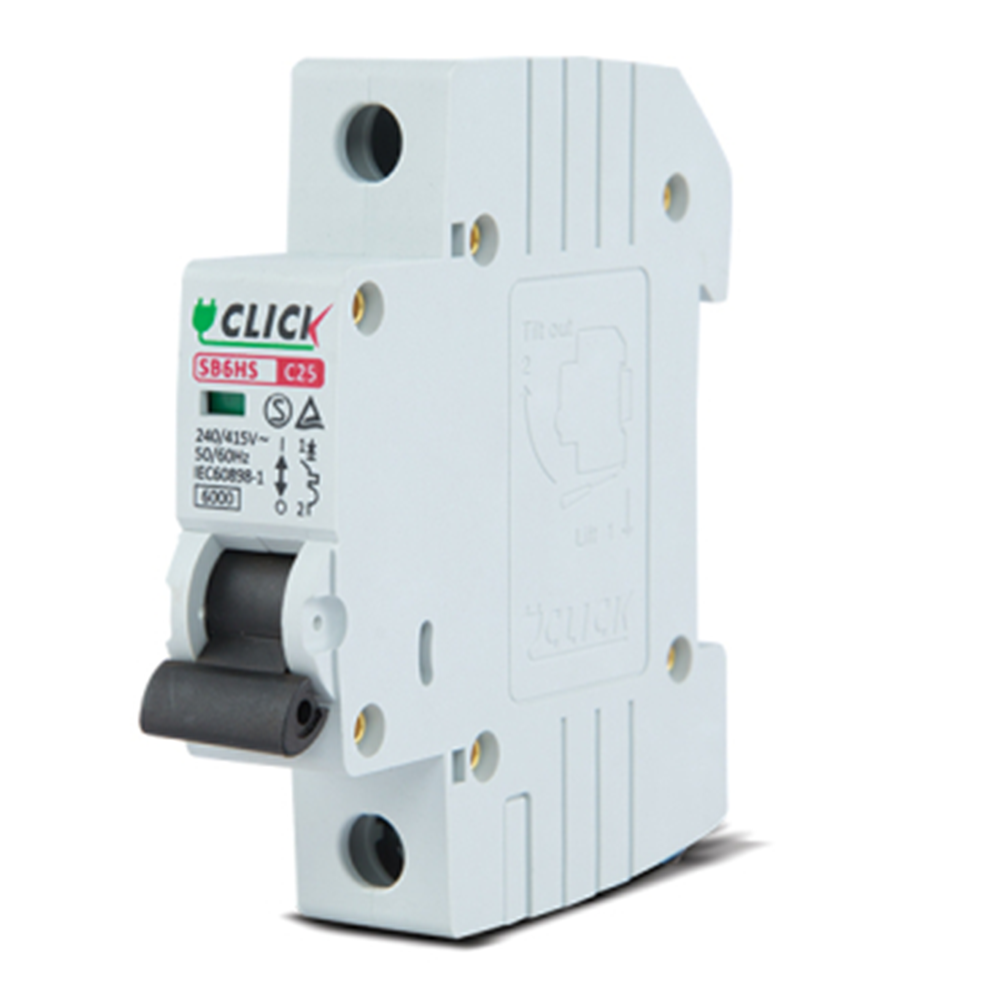
Overview
In today's technologically advanced world, ensuring electrical safety is paramount. Miniature Circuit Breakers (MCBs) have become indispensable components in safeguarding electrical systems across residential, commercial, and industrial settings. This article delves into the intricacies of MCBs, elucidating their functions, significance, types, and applications.
Understanding Miniature Circuit Breakers
An MCB is an automatic electrical switch designed to protect electrical circuits from damage caused by overcurrent, typically resulting from overloads or short circuits. Unlike traditional fuses, which must be replaced after a single use, MCBs can be reset manually, offering a more sustainable and cost-effective solution.
Working Principle of MCBs
MCBs operate by detecting anomalies in electrical current flow:
-
Overload Protection: When the electrical load exceeds the circuit's capacity, the MCB's bimetallic strip heats up due to increased current. This heat causes the strip to bend, triggering the mechanism that opens the circuit and halts the electricity flow.
-
Short Circuit Protection: In the event of a short circuit, the sudden surge in current generates a strong magnetic field. This field activates the MCB's electromagnetic mechanism, causing it to trip instantaneously and disconnect the circuit.
Importance of MCBs in Electrical Systems
The integration of MCBs into electrical infrastructures offers several critical advantages:
-
Fire Prevention: By promptly interrupting excessive current flow, MCBs mitigate the risk of electrical fires caused by overheating.
-
Cost Efficiency: The resettable nature of MCBs eliminates the recurring expense of replacing blown fuses, leading to long-term savings.
-
Enhanced Safety: MCBs provide reliable protection against electrical faults, safeguarding both property and human life.
Types of Miniature Circuit Breakers
MCBs are categorized based on their pole configurations and tripping characteristics:
Pole Configurations
-
Single-Pole MCB: Controls and protects a single phase wire, commonly used in residential lighting and outlet circuits.
-
Double-Pole MCB: Manages two-phase wires, suitable for higher voltage appliances like water heaters and dryers.
-
Three-Pole MCB: Designed for three-phase electrical systems, prevalent in industrial environments to protect heavy machinery.
-
Four-Pole MCB: Accommodates three-phase systems with a neutral wire, ensuring comprehensive protection in complex installations.
Tripping Characteristics
-
Type B MCBs: Trip when the current exceeds 3 to 5 times the rated current, ideal for residential applications with resistive loads.
-
Type C MCBs: Trip at 5 to 10 times the rated current, suitable for commercial settings with moderate inductive loads like fluorescent lighting.
-
Type D MCBs: Trip at 10 to 20 times the rated current, appropriate for industrial environments with high inductive loads such as motors and transformers.
Applications of MCBs
The versatility of MCBs allows their integration across various sectors:
-
Residential: Protects household circuits powering lighting, outlets, and small appliances.
-
Commercial: Safeguards electrical systems in offices, retail spaces, and educational institutions, ensuring uninterrupted operation of equipment.
-
Industrial: Shields heavy machinery and complex electrical networks from faults, maintaining operational efficiency and safety.
Testing and Maintenance of MCBs
Regular inspection and testing of MCBs are crucial for maintaining electrical safety:
-
Visual Inspection: Periodically check for signs of wear, damage, or corrosion.
-
Functional Testing: Utilize the test button, if available, to simulate a fault and verify proper tripping functionality.
-
Reset Procedure: After addressing the underlying issue causing a trip, reset the MCB by switching it back to the "ON" position.
Advantages of Implementing MCBs
Incorporating MCBs into electrical systems offers numerous benefits:
-
Reliability: Provides consistent protection against overcurrents and short circuits.
-
Convenience: Simplifies the process of restoring power after a fault by allowing manual resetting.
-
Durability: Engineered to endure multiple tripping events without compromising performance.
Comments
Post a Comment