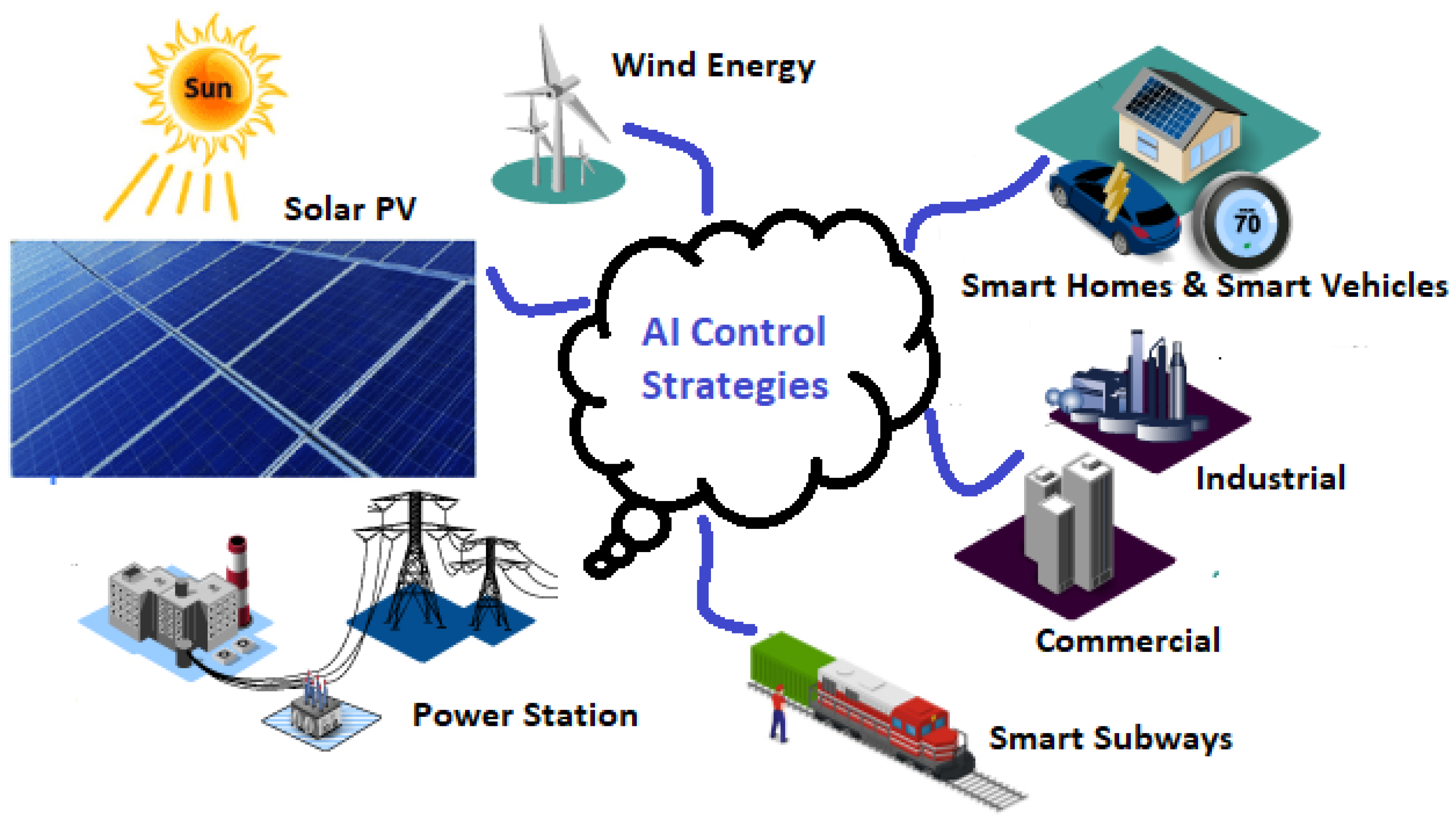
Overview
As the need for efficient and sustainable energy solutions grows, businesses and governments are increasingly adopting Artificial Intelligence (AI) to optimize energy management. By analyzing large datasets in real-time, predicting energy demand, and automating operations, AI is transforming energy usage. When integrated with Energy Management Systems (EMS), AI offers real-time insights, boosting efficiency, lowering costs, and aiding in achieving sustainability objectives. This article explores the integration of AI with EMS, the advantages of real-time optimization, and showcases successful implementations.
Understanding Energy Management Systems (EMS)
An Energy Management System (EMS) is a software solution designed to monitor, control, and optimize energy consumption in buildings, facilities, or industrial plants. EMS systems gather data from various sources, such as energy meters, HVAC systems, lighting, and production lines, providing real-time monitoring of energy usage. While EMS can help reduce waste and streamline energy operations, combining it with AI exponentially increases optimization potential.
The Role of Artificial Intelligence (AI) in Enhancing EMS
Artificial Intelligence enhances energy management systems by providing predictive analytics, machine learning, and automated decision-making, enabling them to go beyond basic monitoring and control. Here's how AI adds value to EMS:
Predictive Analytics: AI can analyze historical and real-time energy consumption data to predict future demand patterns. This forecasting ability helps prevent energy shortages, overproduction, and costly demand spikes.
Example: A manufacturing facility with an AI-integrated EMS can predict peak energy demand based on historical data and external factors like weather and production schedules. Adjusting equipment operations during off-peak times reduces overall energy consumption and avoids demand charges.
Real-Time Decision-Making: AI's capacity for real-time decision-making enables EMS to automatically adjust operations for optimal energy use. AI algorithms can decide when to reduce consumption, shift load patterns, or store energy, based on constantly changing data.
Example: Google's data centers use AI-powered energy management to optimize cooling systems. An AI model developed by DeepMind analyzes real-time data and adjusts power consumption to maintain optimal operating conditions with minimal energy usage, resulting in a 40% reduction in cooling energy consumption.
Fault Detection and Predictive Maintenance: AI monitors energy systems in real-time to detect faults or inefficiencies in equipment before they lead to failure or excessive energy consumption. This allows for immediate corrective action, preventing downtime and reducing waste.
Example: Siemens has developed AI-powered EMS systems that use real-time data to detect early signs of equipment wear or malfunction in generators, transformers, and other critical energy infrastructure, preventing costly repairs or downtime.
Renewable Energy Integration: AI helps optimize the distribution of energy from renewables while considering grid stability, reducing reliance on fossil fuels. This is crucial for managing intermittent energy supply from sources like solar and wind power.
Example: In the United Kingdom, Centrica implemented an AI-powered EMS across several sites using distributed energy resources, such as solar panels and battery storage. The AI continuously optimizes when to draw energy from renewable sources, store it, or release it to the grid based on real-time consumption patterns and renewable energy generation forecasts.
Machine Learning for Continuous Improvement: Unlike traditional EMS, AI-powered systems use machine learning to improve over time. By continuously analyzing data and learning from past outcomes, these systems become more effective at optimizing energy consumption, predicting faults, and adapting to changing conditions.
Example: In France, Schneider Electric implemented AI-based machine learning in its EcoStruxure EMS platform. The system adapts to the specific patterns of each building or plant it manages, becoming increasingly efficient at reducing energy waste and improving operational performance.
Benefits of AI-Powered Energy Management
AI integration in EMS offers numerous benefits:
Enhanced Efficiency and Cost Savings: AI enables real-time adjustments that prevent unnecessary energy consumption and optimize operations during peak demand. By dynamically responding to fluctuating energy prices, AI can reduce costs through demand-response programs or shifting consumption to cheaper off-peak hours.
Improved Sustainability: AI helps organizations better integrate renewable energy sources and manage energy storage, reducing reliance on fossil fuels. This lowers the organization’s carbon footprint, making it easier to meet sustainability goals and regulatory requirements.
Increased Operational Resilience: Real-time fault detection and predictive maintenance ensure equipment runs optimally and downtime is minimized. This increases operational resilience and reduces the risk of costly equipment failures.
Scalability: AI-powered EMS systems are highly scalable, suitable for small buildings or large industrial complexes, across multiple sites or even global operations, ensuring companies of all sizes can benefit.
Successful Implementations of AI in Energy Management
Several organizations have successfully implemented AI-powered EMS:
University of California, Davis: Partnered with IBM to implement an AI-powered EMS to manage the campus’s energy consumption more efficiently. The system uses real-time data to monitor energy use across multiple buildings, predict energy demand, and adjust energy loads automatically. The AI algorithms consider weather patterns, occupancy, and equipment schedules to optimize energy consumption.
Tokyo Gas: In collaboration with Mitsubishi Electric, implemented AI-powered energy management across its district heating and cooling networks. The AI system optimizes energy distribution between buildings, automatically adjusting heating and cooling based on real-time demand data. The system uses machine learning to continuously improve its efficiency.
Conclusion
The integration of AI with Energy Management Systems is revolutionizing energy management. Through real-time optimization, predictive analytics, automated controls, and machine learning, AI-powered EMS systems offer unprecedented efficiency gains and cost savings. They also enable businesses to achieve sustainability goals by maximizing renewable energy use and reducing carbon emissions. As AI continues to evolve, its role in energy management will expand, providing companies with even more powerful tools for optimizing energy use, cutting costs, and improving operational resilience. Businesses that invest in AI-driven EMS today will lead the way in the energy-efficient, sustainable future.
very helpful
ReplyDelete